


Views: 0 Author: Site Editor Publish Time: 2026-10-17 Origin: Site


Setting up a complete KT board production line requires understanding materials, equipment configurations for the advertising industry, and calculating Return on Investment (ROI). The signage market demands lightweight, rigid, printable substrates, making KT board a premier choice for indoor displays and exhibition graphics. To capture this market, investors must navigate paper vs. film lamination, footprint and power requirements, and optimize variables to maximize profitability. This article provides a deep dive into the operational setup, material options, and financial metrics needed to build a profitable KT board facility.
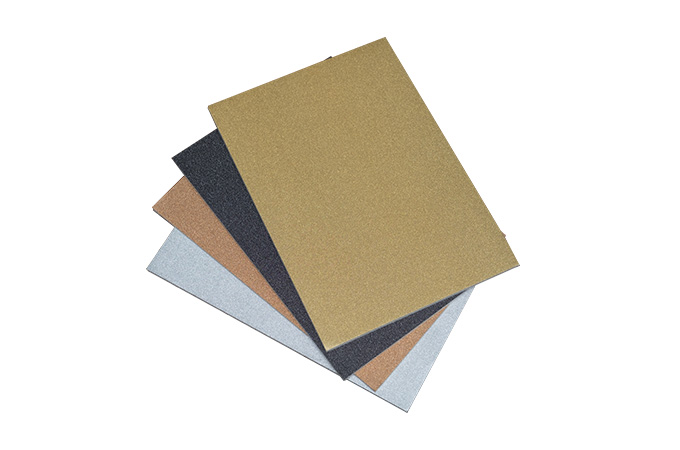
Targeted Application Focus: KT board is the undisputed backbone of the indoor advertising and signage industry due to its exceptionally low weight and remarkable structural rigidity.
Critical Footprint Planning: A standard production facility must accommodate a reference footprint of 50x12x6m to house the complete continuous extrusion, lamination, and cutting lines safely.
Precise Power Requirements: Investors must plan for substantial energy infrastructure; the Model 65-150 demands 300~350 KVA, while the larger Model 75-160 requires 400~500 KVA.
Lamination Versatility: Choosing between paper and film lamination determines the final product's moisture resistance, printability, and suitability for various high-end signage applications.
ROI Calculation Framework: Profitability hinges on balancing raw material costs, energy consumption, and operational efficiency against a steady production capacity of 300–500 kg/h.
Strategic Machinery Integration: Successful operations rely on seamlessly integrating the core foam extrusion with a dedicated Laminating machine and precise cutting units.
The signage industry demands materials that are easy to transport, cut, print, and display. KT board is the definitive solution, transforming promotional campaigns globally. At its core, KT board features an extruded polystyrene (PS) foam core laminated on both sides with paper or plastic film.
Its extreme lightness ensures large graphic panels can be suspended or mounted without heavy reinforcement, reducing installation time and costs. The outer lamination's rigidity ensures boards remain perfectly flat, which is paramount in advertising to prevent visual distortion.
Furthermore, KT board's bright white, smooth surface accepts modern printing technologies like UV flatbed printing, screen printing, and adhesive vinyls, allowing for vibrant color reproduction and sharp text. Professionals choose KT board for its perfect balance of cost-effectiveness and performance.
Establishing a modern manufacturing facility requires a highly synchronized machinery sequence. The process transforms raw polystyrene beads into finished, flat, laminated graphic panels ready for dispatch. A complete Mingxinzhi (MXZ) setup encompasses several operational stages. Operating these components in harmony is key to maintaining consistent output and minimizing material waste.
The heart of the manufacturing process is the primary extrusion and foaming unit. This segment melts raw polystyrene resin, injects a blowing agent, and extrudes the mixture through a calibrated die head to form the foam core. For signage, achieving a uniform cellular structure is critical. MXZ equipment handles massive throughputs, maintaining a consistent capacity of 300–500 kg/h. Additionally, the die head and calibration equipment allow operators to meticulously control board thickness (1–5 mm) and width (600–1,400 mm).
Once the raw foam core has been extruded and stabilized, it moves into the lamination phase, arguably the most crucial step for determining the final product's application in the signage market. A specialized laminating machine applies tension-controlled layers of either paper or plastic film to both the top and bottom surfaces of the polystyrene core. This process involves the precise application of specialized adhesives combined with exact pressure and temperature controls via a series of heated and chilled calendar rolls. The goal is to achieve an unbreakable bond without crushing the delicate foam structure underneath. In the advertising sector, the quality of this lamination defines the board's value. If the lamination is uneven, the board will exhibit surface ripples that distort printed images.
The final stage of the continuous production process involves precise cutting, trimming, and stacking of the laminated boards. Because the material is produced as a continuous web, it must be accurately dimensioned into standard commercial sizes before packaging. This stage features advanced edge-trimming knives that slice away the unlaminated margins of the continuous web, followed by a high-speed cross-cutting guillotine or flying shear that cleanly severs the board to the required length. For the signage industry, the quality of these cuts is paramount. Edges must be perfectly square and free from jagged foam particles. After cutting, automated stacking mechanisms carefully pile the lightweight boards without causing surface indentations. Additionally, manufacturers may integrate specialized equipment like a Folding machine for secondary processing of related packaging.
When manufacturing KT boards for the advertising sector, one of the primary strategic decisions is choosing the appropriate surface facer: paper or plastic film. This choice dictates the final product's physical properties, print compatibility, and ultimate price point in the market. Paper-laminated boards are traditionally the standard for short-term, indoor promotional displays, offering excellent ink adhesion and a matte finish. In contrast, film-laminated boards offer superior durability and moisture resistance, making them far more suitable for longer-term indoor displays and premium exhibition graphics.
Beyond the facer itself, the adhesive system and the roll temperature profile determine how well the surface survives downstream handling. A paper facer bonded with a water-based adhesive is economical and accepts ink exceptionally well, but it must be dried thoroughly so that residual moisture does not blister the foam core weeks later. Film facers are normally bonded with solvent-free or hot-melt systems that tolerate higher line speeds and produce a tighter, more moisture-resistant seal. Print shops also judge the two options by how they behave on the cutting table: paper-laminated sheets trim cleanly on a guillotine, whereas film-laminated sheets need sharp, well-maintained blades to avoid edge curl. Matching facer and adhesive to the intended display lifetime is therefore just as important as the extrusion settings upstream.
Table 1: Paper vs. Film Lamination Comparison
Feature/Property | Paper Laminated KT Board | Film Laminated KT Board |
|---|---|---|
Surface Material | High-quality coated or uncoated paper | Thin plastic film |
Moisture Resistance | Low; susceptible to high humidity | High; excellent barrier against moisture |
Printability | Excellent for screen print and vinyl mounting | Ideal for UV flatbed and high-end digital print |
Rigidity and Strength | Moderate; suitable for short-term use | High; better resistance to bending and denting |
Primary Use Case | Indoor POS displays, short-term promotions | Premium exhibition graphics, long-term indoor signage |
Selecting the correct machinery configuration is the most significant capital decision for any new manufacturing venture. Investors must balance their target market demand against their available factory infrastructure and energy supply. The MXZ equipment portfolio offers highly specific configurations designed to meet varying scales of industrial production. For standard operational planning, manufacturers must secure a facility that provides a reference footprint of 50x12x6m. This substantial space is an absolute necessity. It ensures there is adequate linear length for the continuous extrusion, controlled cooling, precise lamination, and automated cutting sequences to occur without creating logistical bottlenecks or safety hazards on the factory floor.
Beyond the physical footprint, evaluating the energy infrastructure is equally critical. The continuous melting of polystyrene and the heating required for lamination demand massive amounts of electrical power. Specifically, operations looking to deploy the Model 65-150 must ensure their facility can consistently supply 300~350 KVA. For investors targeting higher volumes and utilizing the larger Model 75-160, the energy requirement scales up significantly, demanding an infrastructure capable of handling 400~500 KVA. Failing to accurately provision for these power requirements can lead to catastrophic electrical failures, production downtime, and severely damaged equipment. By carefully matching their market volume projections with a steady capacity of 300–500 kg/h, manufacturers can select the precise MXZ model that maximizes their output while operating safely within their facility's limits.
Table 2: Capacity and Configuration Options
Machinery Specification | Details / Requirements |
|---|---|
Board Thickness Range | 1–5 mm |
Board Width Range | 600–1,400 mm |
Overall Production Capacity | 300–500 kg/h |
Power Requirement (Model 65-150) | 300~350 KVA |
Power Requirement (Model 75-160) | 400~500 KVA |
Reference Factory Footprint | 50x12x6m |
In the competitive landscape of advertising materials, KT board is frequently compared against other popular rigid substrates, primarily Extruded Polystyrene (XPS) boards and Polyvinyl Chloride (PVC) foam boards. KT board remains the undisputed champion of extreme lightweight applications. Because its core is highly expanded polystyrene, it offers a dramatic reduction in weight compared to both XPS and PVC. This makes KT board the ideal choice for hanging supermarket signs, temporary promotional cutouts, and large-scale, short-term event graphics where ease of handling is prioritized over long-term structural integrity.
XPS boards, such as those produced on a CO2-free foamed XPS production line, share a similar chemical lineage but are manufactured with a denser, more rigid cellular structure without the necessary outer lamination layers typical of KT board. In the signage industry, XPS is often used for architectural lettering, 3D logo routing, and heavier-duty structural displays. PVC foam board represents the heavy-duty end of the signage substrate spectrum. It is significantly denser, much heavier, and considerably more expensive than KT board. PVC boards are highly durable, completely waterproof, and resistant to diverse weather conditions, making them the standard for outdoor signage, real estate boards, and long-term exterior retail displays. However, for indoor applications where weather resistance is irrelevant, specifying PVC is often an unnecessary over-expenditure.
Table 3: Board Material Comparison for Signage
Attribute | KT Board | XPS Board | PVC Foam Board |
|---|---|---|---|
Core Material | Expanded Polystyrene (Laminated) | Extruded Polystyrene (Unlaminated) | Expanded Polyvinyl Chloride |
Weight | Extremely Lightweight | Lightweight | Heavy |
Signage Application | Indoor POS, hanging signs, exhibitions | 3D routed letters, structural displays | Outdoor signage, long-term retail displays |
Calculating Return on Investment (ROI) for a KT board facility requires structured analysis of capital expenditures and operational variables. Profitability hinges on optimizing the cost-per-square-meter against market demand. The foundation begins with raw materials: GPPS resin, blowing agents, adhesives, and lamination film.
The second pillar is industrial energy consumption. Continuous melting, extrusion, and thermal lamination are highly energy-intensive. Operations must rigorously apply the specific power requirements of their chosen equipment (300~500 KVA) to localized electricity rates.
Finally, account for facility overhead and labor. The 50x12x6m footprint dictates minimum real estate investment. Fortunately, modern automated lines minimize labor costs. Aggregating these costs against the steady 300–500 kg/h throughput establishes an accurate break-even analysis.
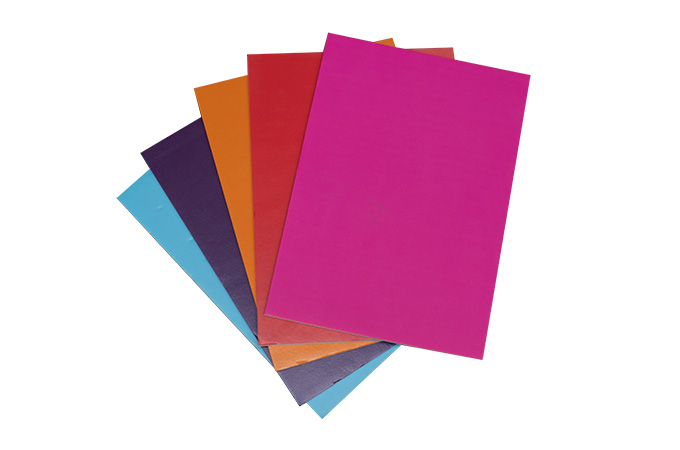
The global signage industry represents a vast market for lightweight display materials. KT board remains the substrate of choice for indoor visual merchandising and exhibition graphics due to its unparalleled combination of minimal weight, structural rigidity, and print-ready surfaces.
Capitalizing on this opportunity requires precise operational planning. Selecting robust machinery from Mingxinzhi ensures consistent throughputs of 300–500 kg/h. Investors must adhere to infrastructural prerequisites, securing a 50x12x6m footprint and provisioning for electrical demands of 300~500 KVA depending on the chosen model. Failing to respect these requirements risks equipment damage and erodes ROI.
For investors ready to dominate the market for advertising substrates, partnering with an experienced equipment provider is the first step. By leveraging advanced extrusion and lamination technology, you ensure your final product meets the standards of modern printing professionals. To explore detailed specifications and begin planning your high-yield manufacturing facility, review our comprehensive KT board production line solutions today. Furthermore, explore our complete range of related industrial equipment by visiting our Products portfolio.
A: The MXZ manufacturing equipment is highly versatile, specifically engineered to accommodate the diverse dimension requirements of the global printing industry. The machinery is capable of producing boards with a maximum width of up to 1,400 mm, while the minimum operational width is 600 mm. This expansive width capability ensures that manufacturers can supply the standard wide-format dimensions demanded by modern UV flatbed printers and massive exhibition display requirements without needing secondary splicing or joining.
A: Warping and blistering are typically the result of thermal expansion and moisture absorption, often exacerbated by utilizing inappropriate lamination materials for the environmental conditions. Paper-laminated boards can absorb ambient humidity, causing the paper facer to expand and the board to bow. Furthermore, if the adhesive bond during lamination is compromised, exposing the board to direct sunlight or the intense heat of printing lamps causes the trapped air within the foam core to expand, forcing the lamination layer to detach and form unsightly blisters. Utilizing film-laminated boards significantly mitigates these risks in challenging environments.
A: Yes, a complete, highly integrated manufacturing setup from MXZ functions as a continuous, inline process. The system begins by extruding the polystyrene foam core, allows it to stabilize, and then immediately feeds it through the lamination unit where the surface facers (paper or film) are bonded. This inline methodology eliminates the need for intermediate storage of bare foam cores, drastically reducing labor costs, accelerating overall production times, and minimizing the potential for surface contamination prior to lamination.
A: Generally, standard KT board is not recommended for extended outdoor applications. The polystyrene core is susceptible to degradation from prolonged exposure to ultraviolet (UV) radiation, and standard paper lamination will rapidly deteriorate when subjected to rain or high humidity. While film-laminated variants offer marginally better moisture resistance, they are still primarily designed for indoor use. For durable outdoor signage, industry professionals typically specify materials like PVC foam board or aluminum composite panels that can withstand harsh weathering.
A: Planning for adequate industrial space is a non-negotiable prerequisite for setup. To safely and efficiently house the continuous extrusion machinery, the inline lamination equipment, the cutting stations, and allow for necessary operator walkways and material handling zones, investors must secure a facility that can accommodate a reference footprint of 50x12x6m. Attempting to compress the line into a smaller footprint will severely restrict operational flow, complicate maintenance procedures, and compromise overall workplace safety.


