


Views: 0 Author: Site Editor Publish Time: 2026-04-15 Origin: Site


In the world of print finishing and direct mail, precision is not just a goal; it's the foundation of profitability. The setup of your folding machine is the critical first step that determines the quality of every single piece, directly impacting your return on investment. As businesses scale, the shift from manual labor to automated precision becomes essential. "Close enough" is a costly compromise in high-volume production, leading to waste, reprints, and missed deadlines. This guide provides a comprehensive roadmap for new operators. You will learn to navigate the technical nuances of professional-grade equipment and achieve consistent, zero-defect output from day one.
Precision is Profit: Improper setup leads to paper waste and downtime, directly impacting the bottom line.
Automation vs. Manual: Fully automatic folding machines significantly reduce setup time but require a fundamental understanding of paper physics.
Manufacturer Matters: Long-term reliability depends as much on the folding machine manufacturer’s support and build quality as it does on daily operation.
Environment Counts: Humidity and static are the "silent killers" of folding accuracy.
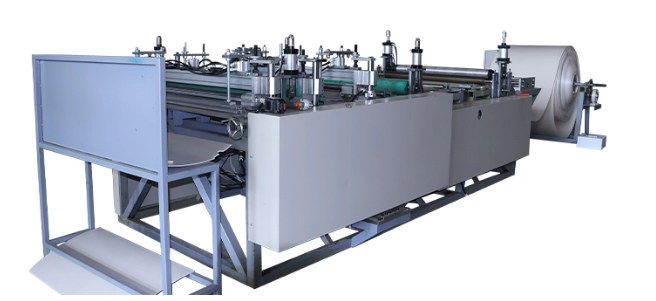
Choosing the right equipment is a pivotal decision for any print operation. The choice between a manual and a fully automatic folding machine often comes down to balancing initial investment with long-term operational efficiency. Understanding the total cost of ownership (TCO) is crucial for making a sound business case.
Manual machines require operators to physically adjust fold plates, guides, and pressure settings for each new job. This process is time-consuming and heavily reliant on operator skill. While the initial capital outlay is lower, the TCO can quickly escalate due to:
Increased Setup Time: Longer changeovers between jobs reduce overall machine uptime.
Higher Waste: More test runs and fine-tuning are needed, consuming paper and ink.
Operator Dependency: Production quality can vary significantly between different operators, leading to inconsistencies.
In contrast, fully automatic systems use digital controls to perform these adjustments. The operator simply inputs the paper size and desired fold type, and the machine configures itself. This dramatically reduces setup time to mere minutes, minimizes waste, and ensures repeatable accuracy regardless of who is operating the machine.
Beyond manual versus automatic controls, the paper feeding mechanism is the most significant differentiator. The type of paper stock you primarily work with will dictate which system is appropriate for your needs.
Friction-feed systems use rubber rollers to pull the top sheet of paper from the stack into the machine. They are highly effective and economical for standard, uncoated bond papers, such as those used for letters and basic flyers. However, they can sometimes leave faint marks on glossy or coated stocks due to the friction required to separate the sheets.
Air-feed, or suction-feed, systems use a puff of air to separate the top sheet and a vacuum to pick it up and feed it into the machine. This "contactless" method is essential for handling delicate, coated, and digitally printed stocks. It prevents marking, scuffing, and static-related double feeds, making it the professional standard for high-end finishing.
| Feature | Friction Feed System | Air/Suction Feed System |
|---|---|---|
| Ideal Paper Stock | Uncoated bond paper, standard copy paper | Coated, glossy, digitally printed stocks |
| Cost | Lower initial investment | Higher initial investment |
| Risk of Marking | Higher risk on sensitive materials | Minimal to none |
| Use Case | Budget-conscious operations, internal mailrooms | Commercial printers, direct mail houses, high-quality finishing |
When does it make sense to upgrade? The break-even point for transitioning to a fully automatic folding machine arrives when the cost of downtime and waste from manual setups outweighs the capital investment. Key indicators include frequent job changes (more than 5-10 per day), increasing demand for faster turnaround times, and a growing portfolio of jobs using sensitive, high-value paper stocks. At this stage, automation is no longer a luxury but a requirement for scalability and competitive positioning.
A successful folding job begins long before you press the start button. Proper preparation of your materials and environment is essential for preventing jams, ensuring accuracy, and maximizing efficiency. Following this checklist will help you avoid the most common and frustrating setup errors.
Paper has a grain direction, determined by how the fibers align during manufacturing. Folding with the grain results in a crisp, clean fold. Folding against the grain can cause the fibers to crack and break, creating a rough, unprofessional edge. To find the grain, gently bend the paper in both directions. It will offer more resistance when bent against the grain. For professional results, always orient your job layout to ensure the primary fold runs parallel to the paper grain.
Paper straight from the ream can be compressed and prone to static electricity, which causes sheets to stick together and leads to double feeds. The simple art of "fanning" the paper stack is a crucial step. Hold the stack firmly and bend it in one direction, then the other, allowing air to separate each sheet. This action breaks the static bond and creates a looser, more consistent stack that will feed reliably.
Paper is a hygroscopic material, meaning it absorbs and releases moisture from the air. High humidity can cause paper to swell and curl, leading to feed jams. Conversely, very low humidity can increase static electricity. Ideally, your production environment should be maintained between 45% and 55% relative humidity. Acclimatizing paper to the pressroom environment for at least 24 hours before a run helps it stabilize and perform predictably.
Before starting any job, perform a quick visual inspection of the machine's core components. Your fold rollers are the most critical element. Check them for any built-up paper dust, ink residue, or glaze (a smooth, shiny surface from wear). Dirty or glazed rollers lose their grip and can cause sheets to slip or skew. Clean them with a manufacturer-approved roller cleaning solution. Ensure all guides and stops are free of debris to allow for smooth paper transit.
Once your materials and environment are prepared, it's time to set up the machine. This systematic protocol will guide you through the process, ensuring each setting is correct before you begin a full production run. Following these steps in order is key to achieving predictable, high-quality results.
Place your fanned stack of paper onto the feed tray. Adjust the side guides so they are snug against the paper stack but not so tight that they prevent the paper from moving freely. There should be just enough space to slide a single sheet of paper between the stack and the guide. This "snug but not tight" fit is crucial for preventing the paper from skewing as it enters the fold rollers.
The separator gap determines how many sheets are pulled into the machine at once. The goal is consistent single-sheet feeding. A common industry rule is the "paper-width plus a hair" principle. Set the gap to be just slightly wider than the thickness of a single sheet of your paper stock. If you get double feeds, the gap is too wide. If the machine struggles to pull a sheet, it's too narrow. Make small, incremental adjustments until you achieve perfect separation.
This is where the fold is created. On manual machines, you will physically unlock and slide the paper stops on the fold plates to match the dimensions of your desired fold. On automatic models, you will select the fold type from a digital control panel. The most common folds include:
Always refer to the job ticket for precise fold dimensions and consult the machine's guide for setting standard folds quickly.
C-Fold (Letter Fold): A three-panel fold where the paper is folded in on itself like a letter.
Z-Fold (Accordion Fold): A three-panel fold that creates a "Z" shape.
Half-Fold: A single fold down the middle.
Double-Parallel Fold: The paper is folded in half, then in half again in the same direction.
Never start a full production run without testing your setup. Run a small batch of 5-10 sheets through the machine at a moderate speed. Carefully inspect each folded piece. Is the fold square? Are the panel dimensions correct? Is there any creasing, wrinkling, or marking on the paper? This small test batch allows you to catch and correct any issues before wasting hundreds of sheets.
Even with a perfect setup, minor inconsistencies in paper trim can cause slight skews. Most professional folding machines have micro-adjustment or skew-adjustment knobs. These allow you to make tiny changes to the angle of the rollers or guides to compensate for these imperfections. If your test sheets are slightly out of square, use these fine-tuning controls to dial in the final, perfect fold.
Even with a careful setup, problems can arise. Understanding the root cause of common failures is the key to resolving them quickly and minimizing downtime. Equally important is recognizing the risks associated with operator habits that can compromise safety and machine longevity.
An out-of-square fold, where the folded edges don't align perfectly, is one of the most frequent issues. To diagnose it, work backward from the output:
Check the Paper First: Is the paper itself cut square? Use a ruler to measure the diagonals of an unfolded sheet. If they are not equal, the paper trim is the problem.
Inspect the Feed Tray: Are the side guides too loose, allowing the paper to shift before entering the rollers? Or are they too tight, causing the paper to buckle?
Examine the Rollers: Debris or wear on one side of a roller can cause the paper to pull unevenly.
When the machine pulls more than one sheet at a time or paper gets stuck, the feed system is usually the culprit. On a friction-feed machine, this often points to a worn friction pad or an incorrect separator gap. On an air-suction system, check the timing and strength of the air puff and vacuum. Excessive static in the paper stock is also a major cause, which can be mitigated by proper fanning and environmental controls.
If you see paper fibers breaking along the fold line, especially on heavier or coated stocks, the issue isn't the fold itself. The paper needs to be prepared for folding. This is done by implementing a scoring or creasing stage *before* the folding stage. Scoring creates a clean channel for the paper to fold into, preventing the fibers from cracking under stress. Many modern folding machines can be equipped with in-line scoring attachments.
The most significant implementation risk often comes from human error or shortcuts. Operators under pressure may be tempted to bypass safety sensors to clear a jam, which can lead to serious injury. Another common mistake is ignoring manufacturer-recommended maintenance intervals for cleaning and parts replacement. While these shortcuts might save a few minutes in the short term, they lead to premature wear, costly repairs, and a higher risk of catastrophic failure. A culture of safety and adherence to proper procedure is non-negotiable.
The long-term success of your folding operation depends heavily on the quality of your equipment and the support behind it. When selecting a folding machine manufacturer, you are not just buying a piece of hardware; you are investing in a production ecosystem. A thorough evaluation should go beyond the initial purchase price.
Look closely at the machine's build quality. The fold plates should be made of heavy-gauge steel to resist warping over time. The composition of the fold rollers is paramount; combination rubber and polyurethane rollers often provide the best balance of grip and durability, lasting longer and requiring less maintenance than all-rubber alternatives. A robust frame and high-quality bearings are indicators of a machine built for industrial use.
When your machine is down, so is your revenue. A top-tier manufacturer provides a strong support network. Ask critical questions:
Do they offer local service technicians for on-site repairs?
Is remote diagnostic support available to solve problems over the phone?
Are wear parts like rollers, belts, and bearings readily available and shipped quickly?
A manufacturer with a comprehensive support system is a true partner in your business's productivity.
Your business needs will evolve. Can your folding machine grow with you? Evaluate the availability of modular upgrades. Can you add an in-line scoring or perforating unit later? Is it possible to attach a right-angle folding section for more complex jobs? Can you add a vertical stacker to handle higher output volumes? A scalable platform protects your initial investment and provides a clear path for future expansion.
Beyond speed, certain features directly protect your bottom line by preventing costly errors. For example, ultrasonic double-sheet detection is a highly reliable technology that can stop the machine before a double-feed leads to a jam and wasted product. Automated, motorized fold plate adjustments on a fully automatic folding machine save dozens of minutes per setup, which translates into hundreds of hours of additional production capacity over a year. These are the features that deliver a tangible return on investment.
Mastering the setup of a folding machine transforms it from a simple piece of equipment into a powerful engine for profit and efficiency. The journey from a beginner's uncertainty to an expert's precision is built on a foundation of systematic processes, a deep understanding of paper behavior, and a respect for the machinery's capabilities. By following a rigorous pre-setup checklist and a step-by-step configuration protocol, any operator can achieve consistent, high-quality results.
Ultimately, the long-term value lies in a dual investment: committing to high-quality hardware from a reputable manufacturer and providing rigorous, ongoing training for your team. This combination minimizes waste, maximizes uptime, and builds a scalable foundation for growth. As your next step, take a critical look at your current production process. Identify the bottlenecks and determine if an equipment upgrade or a refinement of your setup procedures is the logical next move to elevate your finishing capabilities.
A: Cleaning frequency depends on your duty cycle and paper stock. As a best practice, inspect and wipe down rollers with a manufacturer-approved cleaner at the beginning of each shift. For high-volume runs or jobs with dusty, uncoated paper, you may need to clean them more frequently to prevent residue buildup, which causes slipping and skewing.
A: It depends on the feed system and the paper's weight. Most friction-feed machines struggle with stocks heavier than 80 lb cover (approx. 216 gsm). Air/suction feed systems are much better equipped for heavy cardstock. However, for any stock over 100 lb cover (270 gsm), pre-scoring is almost always necessary to prevent fiber cracking at the fold.
A: The two most common mistakes are incorrect feed pressure and ignoring paper grain. Setting the separator gap too wide causes constant double-feeds, while setting it too tight prevents feeding altogether. Secondly, folding against the paper's grain direction will always result in a cracked, unprofessional-looking fold, no matter how perfectly the machine is calibrated.
A: Even on an automatic machine, skewing can occur. The first thing to check is the paper itself; if the stock was not trimmed perfectly square, it will never fold square. Next, verify your side guide alignment in the feed tray. They should be snug but not tight. Finally, use the machine's micro-adjustment or skew-correction feature to compensate for any minor, lingering alignment issues.
A: The decision is based on your primary paper stock. If you exclusively fold standard, uncoated office paper or letters, a friction-feed system is a cost-effective choice. If you handle any amount of coated, glossy, or digitally printed materials, a suction-feed system is a necessary investment to prevent marking and ensure reliable feeding of these more challenging stocks.


